7 Nights SC & 4 Golf Rounds
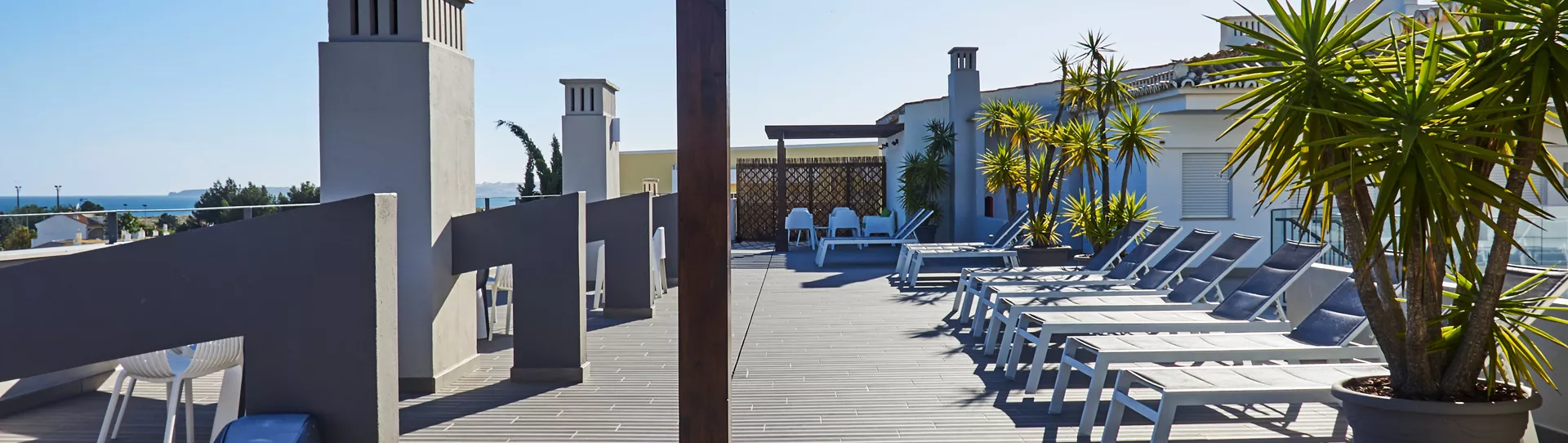
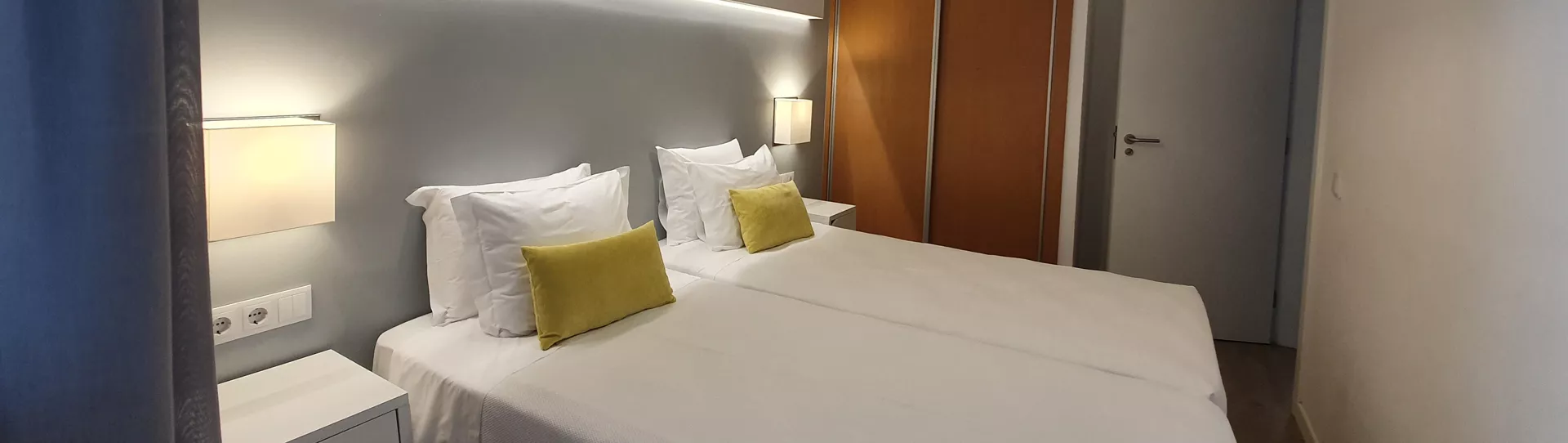
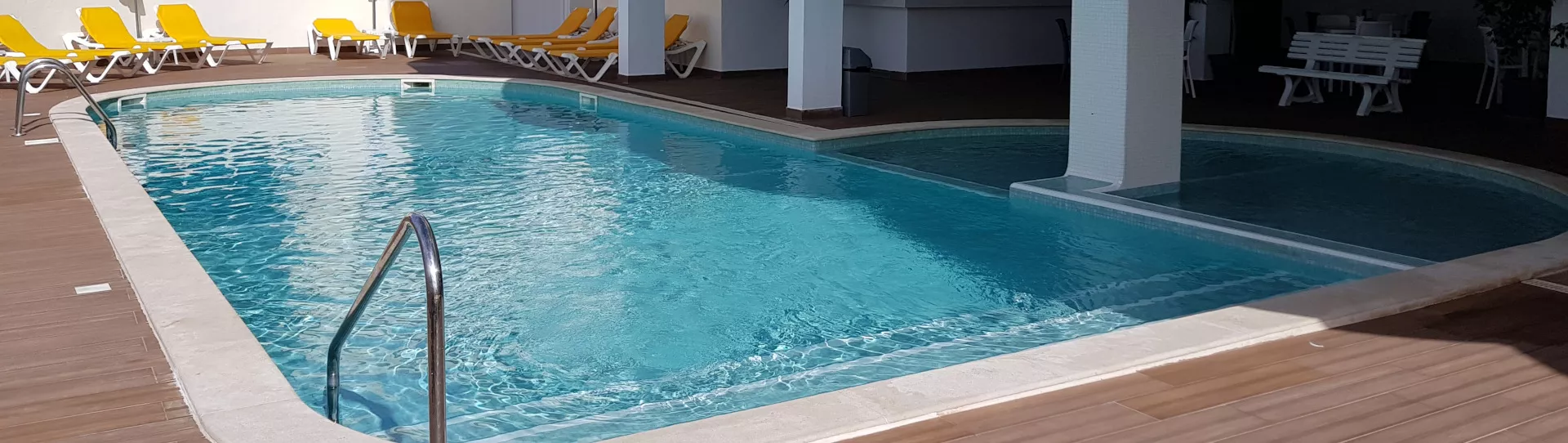
Book Alvormar Apartments situated near the center of Alvor, just 750 meters from one of Algarve's most beautiful beaches, have undergone a total renovation and play the best golf courses of West Algarve for a great value of the package.
There is no prices available for this package
Morgado Golf Course Portimão, Algarve
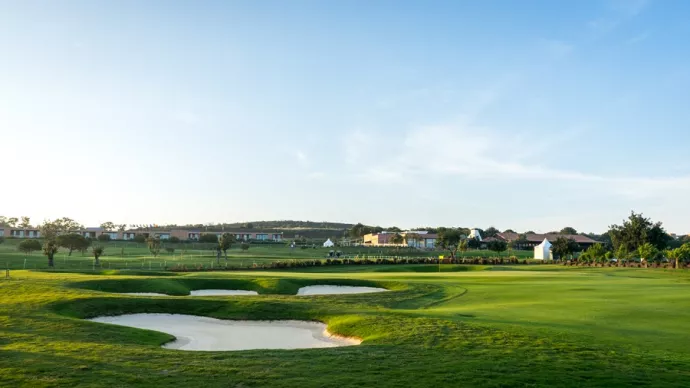
Tucked into a quiet valley between Portimão and the Monchique foothills, Morgado feels like a different side of the Algarve altogether — inland, unhurried, and away from the coastal crowds. It earned its stripes the hard way: three consecutive years, 2017 to 2019, as host of the Open de Portugal, a run few Algarve courses can match.
The front nine opens generously, wide fairways that invite a confident tee shot, but the deep, Scottish-style bunkers around the greens have a way of catching anything loose. Settle into a rhythm here, because the back nine changes the conversation entirely — the ground rises, the valley channels the wind, and every club selection starts to matter. Save something for the finish: the 18th plays from an elevated tee down to a bunker-framed fairway, the clubhouse waiting in the distance, and it's the kind of hole that makes the whole round worth the walk.
This is a course built to reward good decisions rather than raw power, and it plays fair across a wide range of handicaps — part of why it keeps pulling golfers back. Facilities are shared with the neighbouring Álamos course, including a well-regarded academy, full driving range, and a resident pro shop, with the clubhouse restaurant a welcome stop once the round is done. For anyone tired of queuing behind the big coastal names, Morgado is the quieter, sharper alternative. (...)
Alamos Golf Course Portimão, Algarve
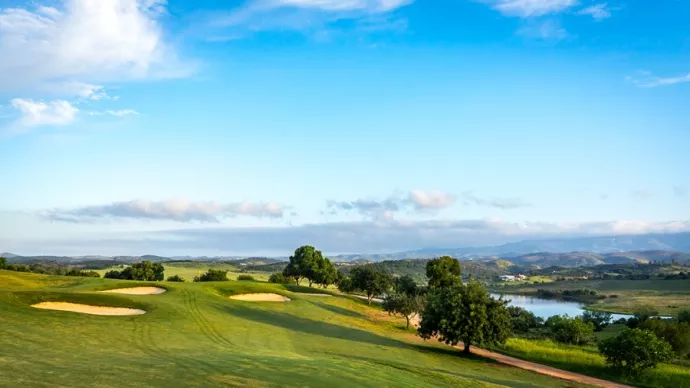
Alamos is the shorter, tighter sibling to Morgado next door, and it earns its own following precisely because of that. Designed by Russell Talley of European Golf Design and opened in 2006, it sits in a valley below the Serra de Monchique, with lakes and farmland giving the round a genuinely peaceful, away-from-it-all feel.
Don't mistake short for easy. The fairways are narrower than Morgado's, the greens smaller, and the course demands precision over power from the first tee to the last. The par-5 2nd doglegs sharply right and sets an early tone, while the par-4 15th is the hole most likely to be remembered afterward: a storm ditch cuts diagonally across the fairway between tee and green, forcing a real decision on both the drive and the approach. Trees are placed with real intent throughout, and course management matters here more than it does almost anywhere else nearby. It's a round that rewards return visits, and plenty of regulars book it first whenever they're back in the area.
Facilities include a full driving range, a resident academy, and a clubhouse restaurant with sweeping views over the course and the mountains beyond. Alamos pairs naturally with Morgado for golfers wanting two very different tests within the same short drive. (...)
Penina Championship Golf Course Portimão, Algarve
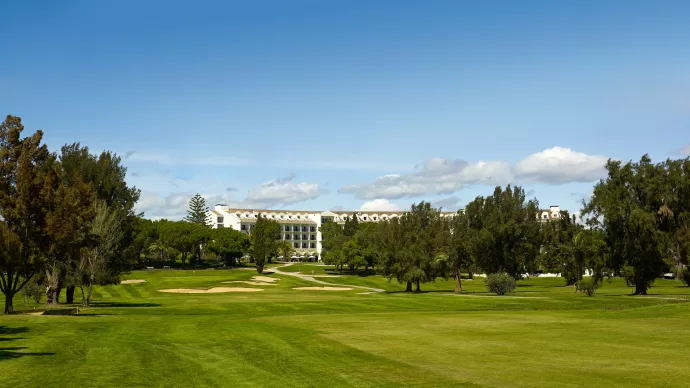
Every championship course in the Algarve owes something to Penina. In 1966, Sir Henry Cotton transformed a stretch of rice paddies into the region's first 18-hole course, planting hundreds of thousands of trees to shape the parkland corridors that still frame every hole today. He considered it his masterpiece, and the Portuguese Open agreed, returning here ten times over the following decades.
The course plays flat but never easy. Streams and water hazards, adapted from the original rice-paddy drainage, cross the fairways throughout, and Cotton's raised, subtly sloped greens punish anything hit carelessly. The par-5 5th sets the tone early: a genuine risk-reward hole, tempting with an eagle if you carry the water and out-of-bounds, punishing if you don't quite make it. The par-3 13th is the hole most golfers remember long after they've left, a tee shot played over water to a green that has swallowed thousands of balls over the decades. This is a course built on accuracy and course management rather than power, exactly as Cotton designed it.
Penina's history and visionary design are the draw here, not modern polish. The greens are consistently well-regarded, but the wider course shows its age, and golfers who prioritise pristine, manicured conditioning may find newer Algarve courses a better fit. For anyone who wants to play where championship golf in the Algarve actually began, on a layout still shaped by the hand of a three-time Open champion, Penina remains genuinely worth the round. (...)
Alto Golf Course Portimão, Algarve
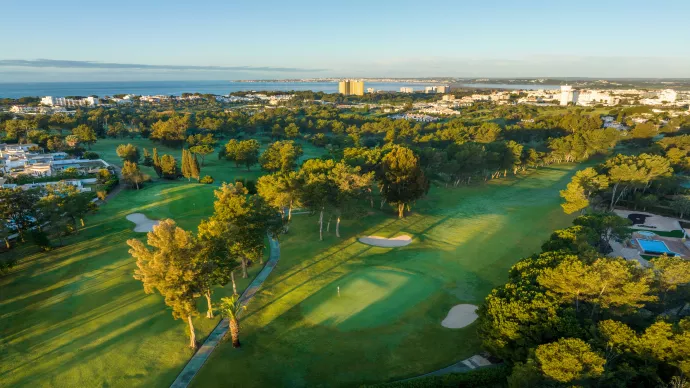
Alto was the last course Sir Henry Cotton ever designed, and it shows a different side of him than the wide, forgiving layouts he's known for elsewhere. Opened in 1991 across two valleys near Alvor, this is a tight, technical test built for golfers who can shape the ball both ways, not muscle their way around.
Small, elevated greens and well-placed bunkers punish anything loose, and the fairways rarely give a second chance on a mis-hit. The front nine opens with sea views toward the bay of Lagos before the course tucks into rolling terrain on the back nine, building toward its most famous moment: the par-5 16th, known as Sir Henry's Challenge, reputed to be one of the longest par 5s in Europe at well over 500 metres. It's a genuine three-shot hole for most golfers, and a fitting climax to a round built on precision rather than power. This isn't a course that overwhelms with scale, it wins you over with craft, and regulars keep coming back specifically because it demands more thought than most Algarve rounds.
Facilities include a driving range, a resident academy, and a clubhouse restaurant with views back over both valleys. Alto sits close to Alvor and Portimão, making it an easy, low-key addition to a wider Algarve trip for golfers who want a proper technical test without the crowds of the bigger resort courses. (...)